Your attic works harder than you might think. During hot North Carolina summers, it can reach temperatures over 150 degrees, and trapped heat and moisture can damage your roof from the inside out. Ridge vents create a continuous exhaust path along your roof’s peak. But not all ridge vents perform the same way. Understanding the different types of ridge vents helps you choose the right solution for your home’s ventilation needs and protect your investment over the years.
What Is a Ridge Vent and Why Your NC Home Needs One
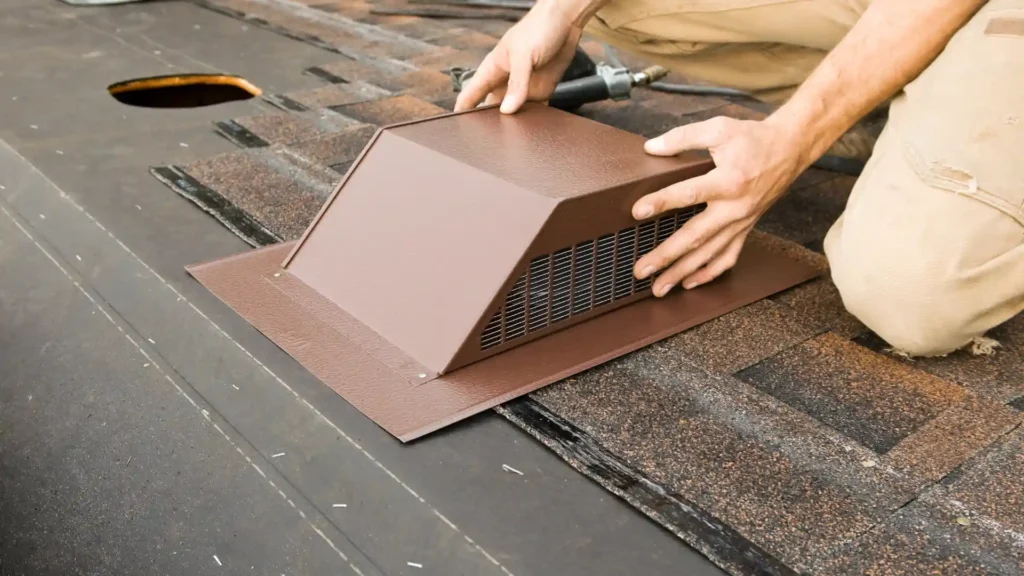
A ridge vent is a continuous exhaust vent that runs along the peak (ridge) of your sloped roof. Roofers cut a narrow slot—typically 1 to 2 inches wide on each side of the ridge board—and cover it with an external vent profile made of plastic, aluminum, or shingle-over rolled material. This design creates a ventilation system.
Here’s how it works: hot, humid air naturally rises in your attic. As this air escapes through the ridge vent, it creates a vacuum that pulls fresh air in through soffit vents (the vents under your eaves). This continuous air circulation is called the stack effect, and it happens without any moving parts or electricity.
For North Carolina homeowners, proper attic ventilation is important. Our state’s humid summers can create moisture buildup that may lead to mold, mildew, and premature shingle deterioration. Ridge vents can help reduce this risk while also reducing cooling costs by allowing hot air to escape naturally. Learn more about roof maintenance and how it protects your home.
A properly functioning ridge vent system may extend your roof’s lifespan by 5-10 years or more.
The Two Main Types of Ridge Vent Profiles
When shopping for ridge vents, you’ll encounter two primary designs: baffle and non-baffle models. Each has distinct advantages.
Baffle ridge vents feature internal baffles that direct airflow upward and outward. These baffles create a barrier that helps prevent rain, snow, and wind-driven moisture from entering your attic while still allowing hot air to escape. The design is more complex, which means higher cost, but the weather protection is superior. If you live in an area with heavy rain or snow, baffle vents may be worth the investment.
Non-baffle ridge vents use a simpler design without internal baffles. They rely on the vent profile’s shape to help prevent weather infiltration. These vents cost less and still provide effective ventilation, but they offer less protection against driving rain and wind. They work well in moderate climates and when installed with proper flashing. Learn more about roof flashing and how it protects your roof.
For North Carolina’s weather patterns—including occasional heavy rain and ice storms—baffle ridge vents typically provide better long-term protection, though proper installation matters more than the vent type itself.
Passive Ridge Vents: How They Maximize Natural Airflow
Passive ridge vents rely entirely on natural convection to move air. They have no fans, no motors, and no moving parts. Hot air rises naturally in your attic, and as it escapes through the ridge vent, it pulls cooler air in through soffit vents below.
This passive system works continuously, 24/7, without consuming any electricity. The continuous design along your entire roof peak means you get consistent airflow across the whole attic space. Passive ridge vents also maintain a low profile—they blend into your roofline and don’t create visual clutter.
However, passive systems depend on one critical factor: balanced ventilation. Your intake vents (soffit vents) must provide enough fresh air to match the exhaust capacity of your ridge vent. If your soffit vents are blocked or undersized, your ridge vent won’t perform effectively. A typical 1,500-square-foot attic needs about 5 square feet of total vent space, split equally between intake and exhaust. Learn about roof inspections to ensure your ventilation is balanced.
Before installing a ridge vent, have Integrity Roofing inspect your current ventilation to check for balanced airflow.
Active Ridge Vents: When You Need Powered Ventilation
Active ridge vents use motorized fans to pull air out of your attic. A thermostat senses when attic temperature rises above a set point (usually 110-120 degrees) and automatically turns on the fan. When the attic cools down, the fan shuts off.
Active systems work well for complex roof designs where passive ventilation struggles to create balanced airflow. They also help in high-humidity climates where natural convection alone isn’t enough. Some homeowners choose active vents to reduce cooling costs during peak summer months. Explore our residential roofing services to see how we can help.
The trade-off is energy consumption. A running fan uses electricity, which increases your utility bills. Installation costs are also higher than passive systems. For most North Carolina homes, a properly installed passive ridge vent system handles ventilation needs effectively. Active vents make sense if you have specific ventilation challenges or an unusually complex attic space.
Ridge Vent Materials and Durability
Ridge vents come in three main material options, each with different lifespans and weather resistance.
Plastic and vinyl profiles are lightweight and affordable. They resist rust and corrosion, making them suitable for North Carolina’s humid climate. Most plastic ridge vents last 20-30 years, though UV exposure can cause brittleness over time.
Aluminum ridge vents offer better durability and a longer lifespan of 30-40 years. Aluminum resists rust and maintains its structural integrity through temperature swings. It’s a popular choice for homeowners seeking a balance between cost and longevity. Learn about roofing materials that work best in our region.
Shingle-over rolled materials blend seamlessly with your roof because they’re covered by shingles. These vents last as long as your shingles (typically 20-25 years for asphalt shingles) and provide excellent weather protection. They’re ideal if appearance is a priority. Explore different types of roof shingles to find the right match for your home.
Regardless of material, proper installation and flashing are what truly determine how long your ridge vent lasts. Poor flashing creates leak paths that damage the vent and your roof structure.
Why Choose Integrity Roofing for Ridge Vent Installation and Repair
Ridge vent installation sounds simple, but the details matter enormously. Improper installation can cause leaks, inadequate airflow, and premature failure. Integrity Roofing has experience installing and repairing ridge vents throughout North Carolina.
We understand local building codes, North Carolina’s specific climate challenges, and the importance of proper flashing. Our team uses quality materials and proven installation techniques to help your ridge vent system perform correctly from day one. We also inspect your existing ventilation to check for balanced airflow before recommending solutions. Visit our team page to learn about our experienced professionals.
If you’re experiencing hot attics, moisture problems, or visible roof damage, Integrity Roofing can diagnose the issue and recommend the right fix. We offer free inspections and transparent pricing so you know what to expect.
Contact (828) 448-0855 today to schedule your free roof ventilation assessment.
Common Ridge Vent Problems and How to Spot Them
Even well-designed ridge vents can develop problems over time. Knowing what to look for helps you catch issues early.
Leaks are the most common problem. Water enters around the vent flashing, not through the vent itself. Signs include water stains on attic insulation, damp rafters, or water spots on your ceiling. Leaks usually result from improper flashing installation or deteriorated sealant. Learn more about roof leaks and how to address them.
Inadequate airflow indicates a ventilation imbalance. Your attic feels hot even on cool days, you notice moisture or condensation on rafters, or you see mold growth. These signs suggest your ridge vent isn’t pulling enough air, often because soffit vents are blocked or undersized.
Critter entry is another concern. Gaps in the vent profile or damaged flashing can allow birds, squirrels, or insects into your attic. Regular inspections can help catch these problems before they become infestations.
Improper installation or flashing is the root cause of most ridge vent failures. If your vent was installed by an inexperienced contractor, it may not perform as intended. Learn about roof inspections to ensure your system is working properly.
Have your ridge vent inspected every 2-3 years to help catch problems early.
Frequently Asked Questions About Ridge Vents
How much does ridge vent installation cost?
Ridge vent installation typically costs $300-$650, depending on your roof size, vent type, and local labor rates. Baffle vents cost more than non-baffle models. Get quotes from multiple contractors to compare pricing. Learn about roof replacement costs and financing options.
Do ridge vents cause leaks?
A properly installed ridge vent doesn’t cause leaks. Leaks happen when flashing is installed incorrectly or deteriorates over time. Quality installation and regular maintenance can help prevent leak problems. Explore our roof repair services for solutions.
How do I know if my ridge vent is working?
Check your attic on a hot day. If it feels significantly cooler than outside temperature and you don’t see moisture or mold, your ridge vent is likely working. You can also have a professional perform an airflow test.
Get Your Ridge Vent System Working Properly
Choosing the right ridge vent type is just the first step. Proper installation, balanced ventilation, and regular maintenance can help ensure your system protects your roof for decades. Integrity Roofing has the experience to assess your current ventilation, recommend the right solution, and install it correctly.
Don’t let poor attic ventilation damage your roof. Contact (828) 448-0855 today for a free inspection and find out which ridge vent system works best for your North Carolina home.