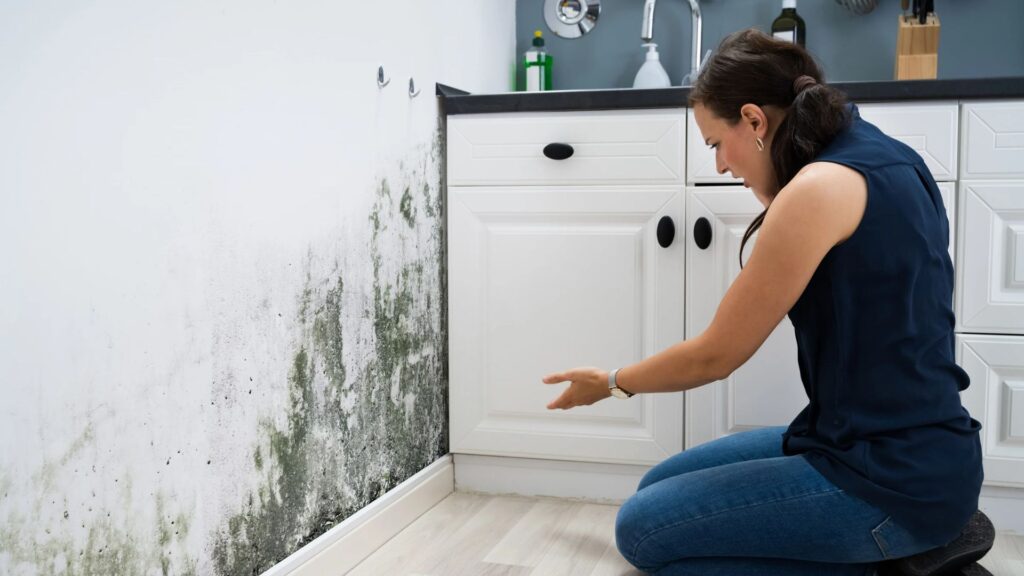
You walk around the side of the house and notice it: a green haze on the vinyl, or black specks spreading across the north wall. Mold on siding is one of the most common exterior complaints in Hickory, and it tends to come back to the same spots year after year.
This guide explains what that growth usually is, why Hickory homes are prone to it, what it might be telling you about moisture, and how to remove it without damaging your siding. We also cover safety and prevention.
This article provides general information about exterior cleaning. It is not medical advice, it does not diagnose any specific home, and it does not promise a particular result.
How Integrity Roofing Can Help With Siding Mold and Mildew
Integrity Roofing is a Hickory-based exterior company. We offer soft washing and power washing, and we also repair and replace siding and gutters. That means we look past the stain itself. If growth keeps returning because of a gutter overflow or damaged panels, we can show you what we see.
- Free estimates with same-week scheduling.
- In-house crews, no subcontractors.
- A local Hickory office, with no out-of-state call centers.
- Licensed and insured in North Carolina.
We serve Hickory and the rest of Catawba County, plus communities across Western North Carolina and the Charlotte metro.
What Is That Growth on Your Siding?
Homeowners often call any dark or green growth “mold.” In practice, the film on exterior siding is usually one of a few things, and they often grow together.
Mildew
Mildew is a type of mold that grows flat on the surface. It often looks gray, black or speckled, and it may feel powdery. It is common on shaded walls, under eaves and on painted trim.
Mold
Mold is a broad term for fungi that grow where moisture and organic material are present. On siding, it feeds on the dust, pollen and plant debris that settle on the surface. It can appear black, dark green or brown.
Algae
Algae is not a fungus, but it thrives in the same damp, shaded spots. It usually shows up as a green film, especially on the north side of a house or behind shrubs. Algae is also behind the dark streaks seen on many roofs.
What about “black mold”?
People often use “black mold” to describe any dark growth. Color alone does not tell you what type of mold you are looking at. Most dark spots on exterior siding are surface mildew or mold, but only testing can identify a specific type.
Why Hickory Homes Get Mold and Mildew on Siding
Hickory sits in Catawba County, where a few local conditions give growth what it needs: moisture, shade and something to feed on.
- Humid summers. Long, humid stretches keep surfaces damp, especially overnight and in the morning.
- Shade. North-facing walls and walls under porches or decks get little direct sun, so they dry slowly.
- Hardwood trees. Mature trees shade the house and drop pollen, seeds, sap and leaves that feed growth.
- Dense landscaping. Shrubs planted tight against the house block airflow and hold moisture against the lower siding.
- Red clay splash-back. Rain can kick soil onto the bottom of the walls, adding organic material where growth often starts.
The pattern on your house can be a clue. Growth that covers one shaded side evenly is usually about sun and airflow. Growth in a narrow band or a single spot often points to a specific water source.
Is Mold on Siding Harmful?
This is the question most homeowners ask first, and the honest answer is that it depends on the person and the situation.
Health questions
Mold outdoors is common in nature. Some people are more sensitive to it than others. The U.S. Environmental Protection Agency has general information on mold and moisture at epa.gov/mold, and it is a good place to start. If you or anyone in your home has allergies, asthma or other health concerns, talk with a medical professional about any exposure, and consider letting someone else handle the cleaning.
We are an exterior cleaning and siding company, not health experts. We cannot tell you whether growth on your house affects your health, and this article does not try to.
What it can mean for your home
Surface mildew on vinyl is mostly a cosmetic issue at first. Left alone, it can stain siding and trim, hold moisture against painted wood, and make the house look neglected. On wood siding or trim, long-term moisture can contribute to peeling paint and rot.
Growth can also be a warning sign. Watch for these moisture sources:
- Gutter overflow. Clogged or sagging gutters spill water down the same section of wall every time it rains.
- Downspouts that dump next to the house. Water splashes back onto lower siding.
- Sprinkler spray. Irrigation heads that hit the house keep one area wet day after day.
- Trapped moisture behind siding. Loose panels, failed caulk, or damaged flashing around windows can let water in behind the siding, where it may not dry.
If you also notice musty smells, stains or soft spots inside the walls near the growth, have the area checked. The EPA’s mold and moisture guidance covers indoor concerns.
How to Remove Mold From Siding Gently
The goal is to clean the growth without damaging the siding or pushing water where it should not go. Gentle methods do that best.
Start with the manufacturer’s instructions
Check the care guidance from your siding manufacturer before you clean. It may list approved cleaners and warn against certain chemicals or high pressure. The Polymeric Exterior Products Association, formerly the Vinyl Siding Institute, also has general information on vinyl siding care. For routine upkeep between cleanings, see our vinyl siding maintenance tips.
Test a small area
Try your cleaner on a small, hidden spot first. Let it dry and look for fading, spotting or residue before you clean a whole wall.
Protect plants and nearby surfaces
Wet plants and grass before and after cleaning, and cover delicate plants if needed. Close windows and keep cleaner away from outdoor outlets and light fixtures.
Use a soft brush and an appropriate cleaner
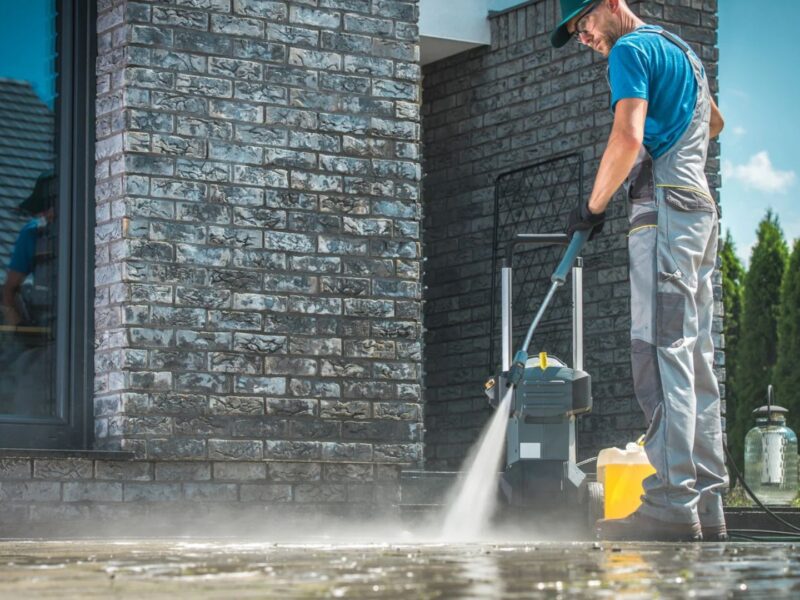
For light mildew on vinyl, many homeowners start with a soft-bristle brush, a long-handled brush for reach, and a cleaner made for exterior siding. Work from the bottom up to reduce streaking, then rinse from the top down.
Rinse with low pressure
A garden hose is often enough for rinsing. Low pressure carries the loosened growth away without forcing water into the siding.
Why high pressure can backfire
It is tempting to blast mold off with a pressure washer. On siding, that can cause problems:
- Vinyl panels overlap. High pressure aimed upward can drive water behind them, where it can soak the wall underneath.
- Older or brittle vinyl can crack or loosen.
- Wood siding and trim can splinter, gouge or lose paint.
- Pressure may strip the visible stain without treating the growth, so it returns sooner.
That is why soft washing is the usual approach for siding. Learn more about our power washing services, including soft washing. Similar dark stains on your shingles are usually roof algae, which is a separate issue from siding mildew.
Safety Tips Before You Start
- Stay low. Clean what you can reach from the ground. Do not use a pressure washer on a ladder. If you use a ladder at all, follow OSHA ladder safety guidance and have someone hold it.
- Never mix bleach with ammonia. The combination releases toxic gas. Do not mix bleach with other cleaners either, unless the label says it is safe.
- Read every label. Follow dilution and safety directions exactly.
- Wear protection. Eye protection, gloves and long sleeves help with splashes. Consider a mask if you are sensitive to mold or cleaners.
- Keep kids and pets away until surfaces are rinsed and dry.
When to Call a Professional
A small patch of mildew is often a manageable DIY job. It makes sense to call a pro when:
- Growth covers large areas or upper stories you cannot reach from the ground.
- You or someone in the home has allergies, asthma or other health concerns.
- Growth returns quickly to the same spot after cleaning.
- You see cracked, warped or loose panels, soft wood or peeling paint.
- You suspect water is getting behind the siding.
Our team can soft wash the house and assess the property while we are there. If panels are damaged, we also offer siding repair and replacement.
How to Keep Mold and Mildew From Coming Back
Cleaning removes what is there. Prevention makes it harder for growth to return.
- Trim vegetation. Cut shrubs back from the walls and thin low tree limbs so sun and air reach the siding.
- Fix gutters. Keep them clear, repair sagging sections and extend downspouts away from the house. Learn about our gutter services.
- Redirect sprinklers. Adjust heads so they water the lawn, not the house.
- Keep mulch and soil low. Leave a gap between beds and the bottom of the siding to limit splash-back.
- Seal gaps. Replace failed caulk around windows and trim, and have loose panels secured.
- Rinse now and then. A gentle hose rinse in spring can clear pollen before it feeds growth.
Frequently Asked Questions
Is black mold on siding dangerous?
Color alone does not identify a type of mold, and most dark spots on exterior siding are surface mildew. The EPA’s mold guidance at epa.gov/mold is a good general resource. If you have allergies, asthma or health concerns, talk to a medical professional and consider having someone else clean it.
Can I use bleach on vinyl siding?
Some siding manufacturers allow diluted cleaners that contain bleach, and some do not. Check your manufacturer’s care instructions, test a small area, protect your plants, and never mix bleach with ammonia or other cleaners.
Why does mildew keep coming back to the same wall?
Repeat growth usually means that wall stays damp. Shade, nearby shrubs, a gutter overflow or sprinkler spray are common causes. Fixing the moisture source matters as much as cleaning.
Will pressure washing get rid of mold on siding?
High pressure may remove the visible stain, but it can force water behind vinyl and damage wood. A low-pressure soft wash with an appropriate cleaner is usually the safer choice for siding.
Does mold on siding mean my siding needs to be replaced?
Not usually. Most surface growth cleans off. Replacement only comes up if the siding is cracked, warped, loose or hiding water damage behind it.
Get a Free Estimate for Siding Cleaning in Hickory
If mold or mildew is taking over the shady side of your home, Integrity Roofing can clean it gently with a soft wash, and we offer free inspections if you suspect a siding or gutter problem behind it. Our in-house crews serve Hickory, Catawba County and the surrounding area, and estimates are free.
Call (828) 448-0855 or contact us online to schedule a visit.