
Installing an ice and water shield roof is a fundamental requirement for property owners who want to avoid hidden water damage. While standard underlayment sheds water, a leak barrier provides a waterproof seal that protects the most vulnerable areas of your home. In Hickory, North Carolina, where seasonal storms and freezing temperatures occur, these barriers are a vital line of defense. Working with a professional residential roofing team ensures these critical components are placed exactly where they are needed most.
What Is a Leak Barrier?
A leak barrier is a self-adhering underlayment made of polymer-modified bitumen. Unlike traditional felt paper, this material sticks directly to the roof decking to create a watertight bond. When nails are driven through it during shingle installation, the rubberized asphalt seals around the fastener. This prevents moisture from seeping through nail holes and reaching the wooden structure of your home.
Why Hickory Homes Need an Ice and Water Shield Roof
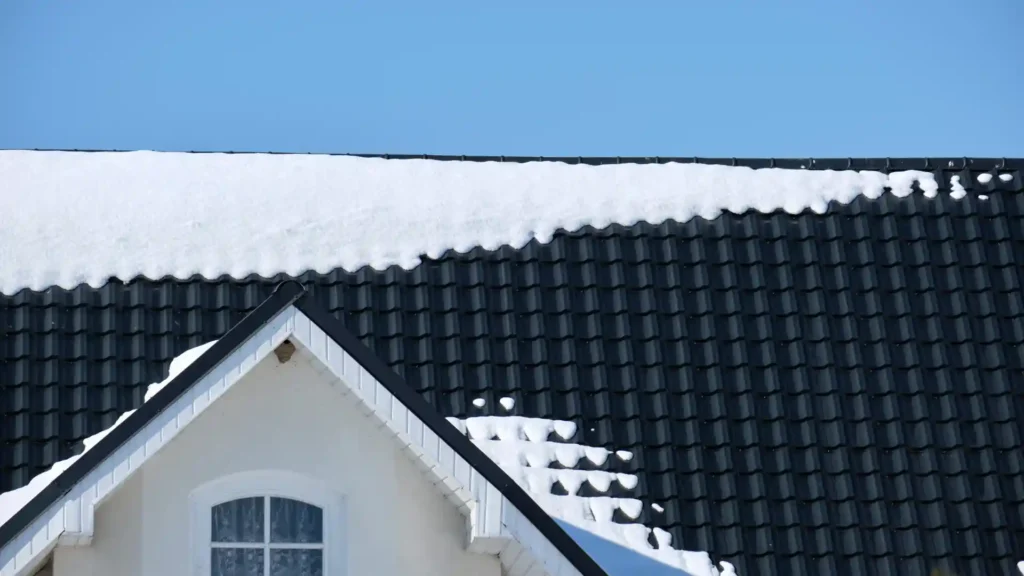
The climate in Hickory, North Carolina, presents unique challenges for standard roofing materials. During the winter, snow and ice can accumulate along the edges of your roof. As the heat from your attic melts this ice, the water can back up under the shingles, a process known as an ice dam. An ice and water shield roof prevents this backed-up water from entering your attic and causing sagging ceilings.
Essential Placement at the Eaves
The eaves are the most common area for ice dams and wind-driven rain to cause problems. Code requirements in many regions dictate that a leak barrier should extend from the edge of the roof to a point at least 24 inches inside the interior wall line. This creates a continuous waterproof gutter along the lower edge of your roof. Proper placement here protects your fascia boards and prevents rot from starting at the very edge of your roof deck.
Protecting Roof Valleys
Valleys are the areas where two roof slopes meet and channel large volumes of water toward the gutters. Because of the high flow rate, these areas are highly susceptible to leaks if the shingles are compromised. An ice and water shield roof should be installed the full length of every valley before the valley metal or shingles are applied. This provides a secondary layer of protection that can handle the heavy runoff seen during North Carolina summer thunderstorms.
Sealing Around Roof Penetrations
Penetrations are any objects that stick out through the roof surface, such as chimneys, vent pipes, and skylights. These areas require a specialized waterproof seal because they interrupt the natural flow of water. Wrapping the base of these structures with a leak barrier ensures that water cannot sneak behind the metal flashing. This proactive step is much more effective than relying solely on caulk, which can crack and fail over time.
The Connection to Attic Ventilation
Moisture protection is only effective if your attic can breathe properly. If a leak barrier is installed incorrectly, it can trap moisture against the wood decking. This often leads to granular loss on shingles or rot in the wooden substrate. Professional contractors evaluate your energy efficiency and ventilation as part of the installation process. This ensures that your waterproof barrier does not create an unintended moisture trap.
Impact on Your Manufacturer Warranty
Using a high-quality leak barrier is often a requirement for a “full system” warranty from major manufacturers. Companies like CertainTeed often mandate the use of their specific ice and water shield roof products at valleys and eaves. If a contractor skips this step to save on material costs, they may void your roofing warranties. Investing in the right barrier ensures your entire property investment remains covered for its full lifespan.
Improving Roof Longevity in North Carolina
The extra cost of a leak barrier pays for itself by preventing expensive interior repairs. Water damage inside a home often goes unnoticed until it has caused significant structural rot or mold growth. By installing an ice and water shield roof, you eliminate the most common entry points for moisture. This is a key part of maintaining proper roof maintenance and ensuring your shingles last as long as possible.
Choosing Between Sand and Granular Surfaces
Leak barriers come in different surface finishes to meet various installation needs. Sand-surfaced barriers are typically used under asphalt shingles and provide a good grip for installers. Granular-surfaced barriers are often thicker and used in areas that see more foot traffic or higher wear. A licensed professional can help you decide which surface type is best for your specific roof pitch and material.
Managing Wind-Driven Rain Hazards
During hurricane season or severe storms, wind can push rain uphill and underneath your shingles. Standard felt paper is often not enough to stop this pressurized water from reaching the deck. The adhesive back of an ice and water shield roof prevents water from traveling horizontally between layers. This is especially important for homes with low-slope sections where water does not drain as quickly as it does on steep peaks.
Why Professional Expertise Is Vital
Installing a leak barrier requires a clean, dry surface to achieve a proper bond. If the material is applied over dust, old nails, or damaged decking, it will eventually pull away. Our team understands the nuances of local building codes and manufacturer requirements for Hickory homes. We look for the subtle signs of wear that a general inspector might miss. This ensures your barrier is placed accurately and adheres perfectly.
Identifying Hidden Structural Risks

Sometimes the need for a leak barrier is only discovered once the old shingles are removed. If an inspector finds water stains around a chimney, it is a clear sign that the current flashing system is failing. Adding a waterproof barrier during the roof repair or replacement process fixes the root cause of the leak. This level of detail is what separates a standard repair from a long-term solution.
Final Quality Assurance and Checklists
Before the new shingles are installed, a final check of the leak barrier is performed. This includes verifying that the material is flat, without wrinkles, and that all edges are securely bonded to the deck. Following a thorough roofing checklist ensures that no penetration is left unprotected. This attention to detail is a major part of the step-by-step installation process that protects your home.
Schedule Your Inspection Today
Don’t leave your home’s most vulnerable areas exposed to the elements. Integrity Roofing provides thorough structural and mechanical evaluations to ensure your roof is ready for North Carolina weather.
Our team offers a detailed inspection to determine exactly where your home needs a waterproof barrier. Contact Integrity Roofing today at (828) 448-0855 to book your professional evaluation. We are here to help you protect your home with professional care and honest assessments.