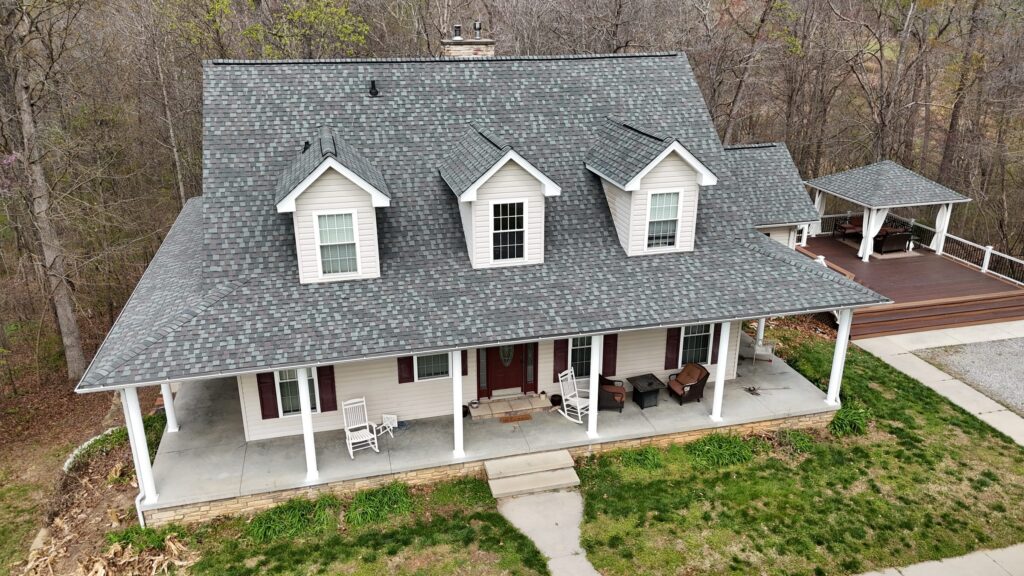
Residential Roofing Services for Dilworth Homes
Your roof is an important part of protecting your home from weather exposure and everyday wear. If you have noticed a leak, missing shingles, visible roof damage, or other concerns, a professional inspection can help you understand the visible condition of the roof and determine appropriate next steps.
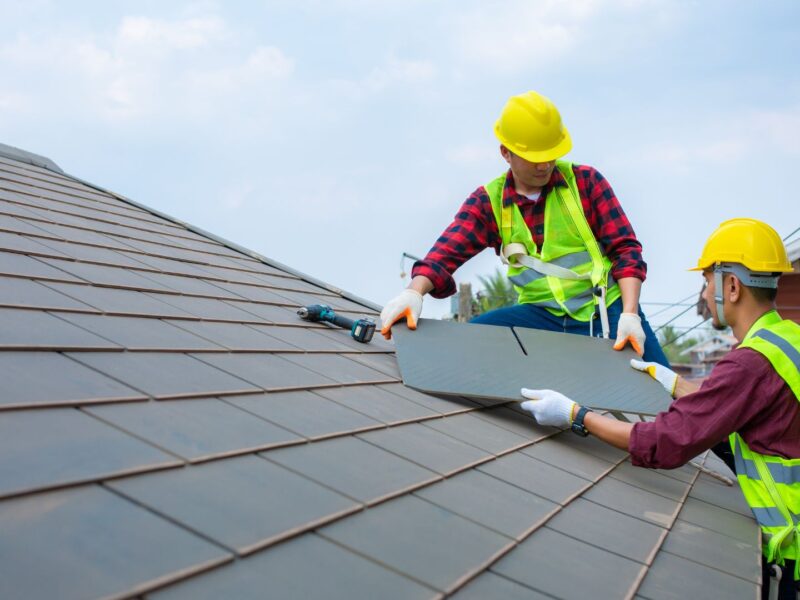
Integrity Roofing provides residential roofing services in Dilworth, including installation, maintenance, repair, inspections, and replacement. The company also provides storm-damage roof repair and pre-sale roof inspections.
Call (828) 448-0855 or request a free roof inspection online.
Residential Roof Inspections and Maintenance
Roof inspections can help homeowners monitor the visible condition of their roof and identify concerns that may require attention. Integrity Roofing performs roof inspections for general maintenance and upkeep, as well as before the sale or purchase of a home.
A residential roof inspection can help identify:
- Visible roof damage or wear
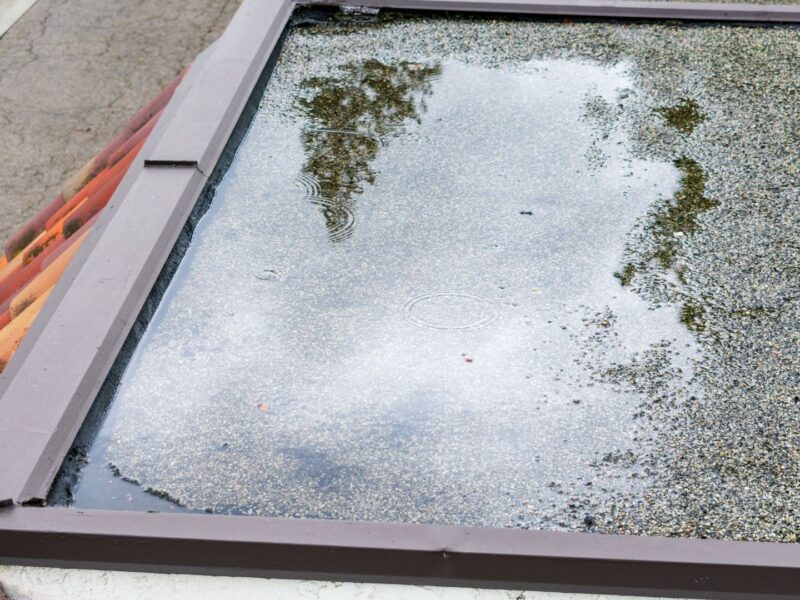
- Potential leak-related concerns
- Missing, curled, cracked, or worn shingles
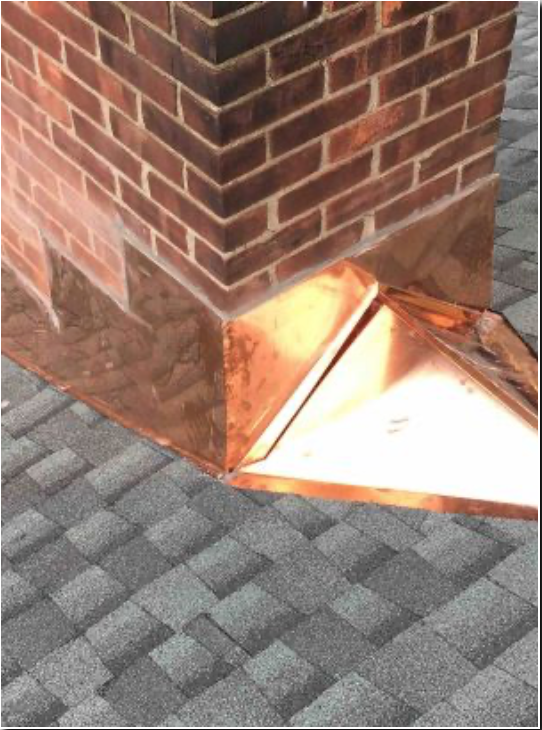
- Visible flashing concerns
- Storm-related roof damage
- Conditions that may warrant repair or replacement
- Areas that may benefit from continued maintenance
Following an inspection, Integrity Roofing can discuss the roof’s visible condition and recommend appropriate maintenance, repair, or replacement options.
Residential Roof Repair and Replacement
A roof repair may be appropriate when the issue is limited and the remaining roof system is in suitable condition. A replacement may be worth considering when a roof has more widespread concerns, recurring problems, or conditions that make continued repairs less practical.
Integrity Roofing provides roof repair and replacement services for homeowners in Dilworth. If your inspection identifies work beyond routine maintenance, visit our Dilworth roof repair and replacement page to learn more about available services.
The company’s Dilworth page explains that roof condition, the extent of visible damage, and the age of the roof can all help determine whether repair or replacement should be considered.
Roofing Materials and Options
The right roofing material depends on the home, roof design, project requirements, desired appearance, and applicable product requirements. Integrity Roofing uses CertainTeed roofing and shingles for residential projects and is a CertainTeed SELECT ShingleMaster.
CertainTeed offers a range of roofing-shingle product lines, including Landmark and Luxury series options. Learn more about CertainTeed roofing products.
During an inspection or estimate, Integrity Roofing can discuss material options and applicable manufacturer-warranty requirements for your project.
Residential Roofing After Storm Damage
Wind, hail, falling debris, and other weather events can damage a roof. Some roof damage may be visible from the ground, while other concerns may require a professional inspection.
Integrity Roofing provides storm-damage roof repair and can inspect your roof to document visible conditions. The company also offers roof damage insurance-claim assistance for homeowners navigating a storm-related claim.
Its insurance-claim support includes free inspections, visible-damage documentation, claim-process guidance, and coordination with insurance carriers or adjusters when appropriate. Insurance coverage is not guaranteed; whether a loss is covered depends on the policy, exclusions, deductible, cause of loss, and the insurer’s claim determination.
Roof Life and Replacement Planning
A manufacturer’s “30-year” shingle designation should not be treated as a guarantee that a roof will last exactly 30 years. Actual roof service life depends on factors such as local climate, environmental conditions, roof-system design, material suitability, installation, and maintenance.
Integrity Roofing states that many roof systems provide beneficial service for roughly 15, 20, or 25 years, although severe climatic or environmental conditions can shorten that timeframe. The company recommends inspection and maintenance to help homeowners understand the current condition of their roof.
An inspection can help you discuss:
- The visible condition of the roof
- Whether a repair may be appropriate
- Whether replacement should be considered
- Roofing-material options
- Available warranty options
- The next practical steps for your home
Why Choose Integrity Roofing?
Integrity Roofing is a family-owned roofing company serving Hickory, Charlotte, and Western North Carolina since 2017. Its listed services include residential roofing installation, maintenance, repair, roof inspections, storm-damage repair, gutter service, and pre-sale inspections. Learn more about Integrity Roofing.
Homeowners can work with Integrity Roofing for:
- Residential roof installation, maintenance, repair, and replacement
- Free roof inspections
- Same-week scheduling availability
- Roof inspections for general maintenance and upkeep
- Pre-sale and home-purchase roof inspections
- Storm-damage evaluations
- Insurance-claim process assistance
- CertainTeed SELECT ShingleMaster service
- Licensed and insured roofing service
- BBB-accredited service
- Manufacturer and workmanship warranty options
Integrity Roofing states that it provides a three-year workmanship warranty on residential asphalt-shingle roofs, alongside applicable manufacturer warranties and optional warranty upgrades. Warranty terms and eligibility depend on the roofing system and project details.
Schedule a Residential Roof Inspection
If you own a home in Dilworth and have questions about your roof’s condition, schedule an inspection to discuss maintenance, repair, replacement, or storm-damage next steps.
Integrity Roofing, LLC serves Dilworth, Charlotte, and surrounding North Carolina communities. Call (828) 448-0855 or contact Integrity Roofing online to request a free inspection.