Menu
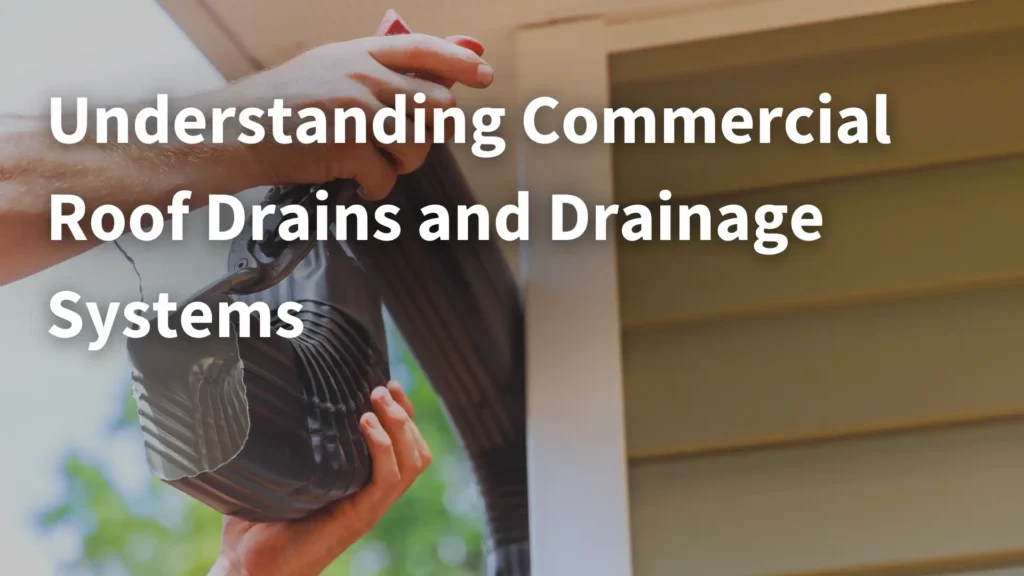
Commercial drainage systems protect your building's structural integrity. They prevent costly water damage. Whether you manage a warehouse, office building, or retail space in Arden, NC, understanding how commercial roof drains work helps you make informed decisions about maintenance and repairs. This guide covers the types of drainage systems, key components, and why proper drainage matters for your commercial property.
Water pooling on your commercial roof creates serious problems. Standing water can significantly increase the weight on your roof structure. This can cause sagging, cracks, and premature deterioration. Over time, accumulated moisture seeps into your building's interior. It damages insulation, ceiling materials, and equipment.
Mold growth thrives in damp environments. This creates health hazards for your employees and customers. The longer water sits on your roof, the more damage it causes. Industry standards recommend removing water within 48 hours after rainfall. This prevents structural damage and water infiltration. Proper commercial drainage systems prevent these issues. They quickly and efficiently direct water away from your roof.
Investing in a well-maintained drainage system saves you thousands in repair costs. Early detection of drainage problems through regular roof inspections catches issues before they become expensive emergencies. Your building's longevity depends on keeping water moving away from critical structural components.
Integrity Roofing has served the Piedmont and Western North Carolina regions since 2017. Our team brings over a decade of combined experience in both commercial and residential roofing, specializing in complex drainage solutions for the Arden and Hickory areas. We understand the unique challenges posed by different building types.
We start every project with a free, comprehensive roof inspection. Our examination leaves no corner unchecked. We provide a detailed assessment of any damage we find. We serve Arden, NC, and surrounding counties, including Buncombe and Henderson. We also have an additional location in Hickory.
We assist property owners by providing comprehensive photographic documentation and professional damage reports required for the insurance claim process. While we are not public adjusters, our detailed assessments help ensure your carrier has the technical data needed for an accurate settlement. We also offer financing options to help you manage repair or replacement costs. Our clients have shared over 100 five-star testimonials. Our commitment to quality workmanship and customer service speaks for itself. Contact (828) 448-0855 to schedule your free inspection today.
Commercial buildings use two primary drainage approaches. Each has distinct advantages depending on your roof design and building requirements. Understanding these commercial roofing solutions helps you select the right system for your property.
Gravity drainage systems rely on the natural slope of your roof. Water moves toward drains and downspouts. Water flows downward through interior drains positioned at low points on the roof. It then travels through piping to exit points away from your building's foundation.
This system works best for buildings with an adequate roof slope. To comply with the North Carolina Building Code (Chapter 15), commercial roofs must maintain a minimum slope of 1/4 unit vertical in 12 units horizontal (2-percent slope) for proper drainage, unless specific exceptions for coal tar pitch are met. Gravity drainage is the most cost-effective option for new construction and retrofits. The system requires fewer mechanical components than alternatives. This reduces maintenance complexity and long-term costs.
However, gravity systems depend entirely on proper grading and slope maintenance. Any settling or structural movement that reduces the slope can create drainage problems. Regular inspections ensure your roof maintains an adequate pitch for water to flow. Professional roof maintenance services help prevent these issues.
Siphonic drainage systems use specially designed baffles to create full-bore flow, generating a vacuum that pulls water off the roof at high velocity. These systems allow for smaller diameter horizontal piping without a slope, which can be ideal for large-scale warehouses in the Buncombe County area. These systems work on flat roofs where traditional slope-based drainage isn't practical.
Siphonic systems move water faster and handle larger volumes than gravity drainage. They work well for buildings with extensive flat roof areas. The vacuum action prevents air from entering the drainage pipes. This increases flow capacity and reduces the number of drains needed.
The trade-off is a higher initial installation cost and more complex maintenance requirements. Siphonic systems demand professional inspection and cleaning to maintain proper function. For buildings with significant flat roof areas, the efficiency gains often justify the additional investment. Learn more about choosing the best commercial roofing contractor to ensure proper installation and ongoing support.
Understanding your drainage system's components helps you recognize when maintenance is needed. It also helps you communicate effectively with roofing professionals. Each component plays a critical role in protecting your commercial property.
Interior drains sit at low points on your roof surface. They collect water and direct it into the drainage system. Strainers attached to these drains prevent debris from clogging the pipes. Leaves, gravel, and dirt can block water flow. Regular strainer cleaning is one of the most important maintenance tasks you can perform.
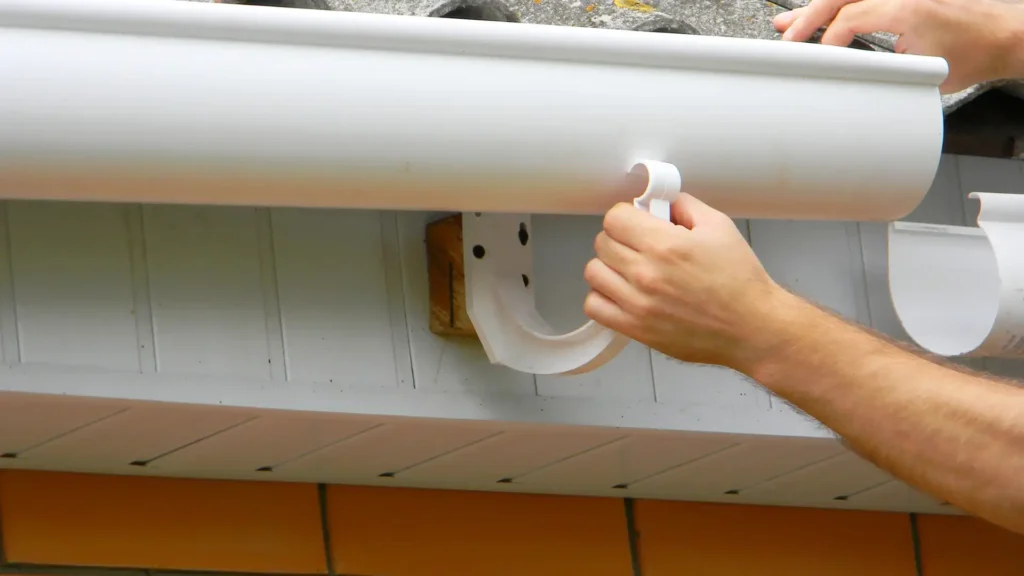
Gutters and downspouts channel water from roof edges toward ground-level drainage. Gutters must slope properly toward downspouts. This prevents water from pooling along your roof's perimeter. Downspouts extend water away from your building's foundation. They prevent basement flooding and foundation damage. Proper gutter maintenance is essential to your overall drainage strategy.
Scuppers and overflow drains are essential safety features. Per NC Plumbing Code, secondary (overflow) drainage systems must be independent of the primary system to prevent structural failure if the main drains fail during a peak Arden rain event. These secondary systems prevent water from cascading down your building's exterior walls. This backup protection is critical for commercial roof protection.
Piping materials vary based on your system type and local building codes. PVC pipes offer affordability and corrosion resistance. Cast iron provides durability for high-traffic areas. Propylene pipes resist chemical damage in industrial settings. Your roofing professional can recommend the best material for your specific application.
Insulation around drainage components prevents condensation buildup. It meets current building codes. Proper insulation also protects pipes from freezing in winter months. This prevents ice blockages that disrupt drainage. Professional installation ensures compliance with all code requirements.
Recognizing drainage problems early prevents expensive damage. It extends your roof's lifespan. Many issues can be identified through professional roof inspections.
Standing water and ponding indicate that your drainage system isn't removing water quickly enough. This may result from clogged drains, inadequate system capacity, or roof settling. Roof settling reduces slope. Professional inspection identifies the root cause. You can then address it properly.
Clogged drains from debris accumulation are the most common drainage issue. Leaves, dirt, gravel, and other materials block water flow. This causes backup and pooling. Regular debris clearing prevents this problem. After storms, inspect your roof for debris and clear strainers promptly.
Improper grading or roof settling reduces the slope that gravity drainage systems depend on. Even small changes in roof pitch significantly impact drainage performance. Professional inspection with slope measurement tools identifies these issues. This happens before they cause major problems. Consider scheduling a commercial roof inspection after significant weather events.
Damaged or deteriorated components prevent proper water movement. Cracked pipes, rusted gutters, or broken downspouts all cause problems. Visible damage warrants immediate professional evaluation. Small repairs now prevent larger failures later. Water damage can lead to insurance claims that require professional documentation.
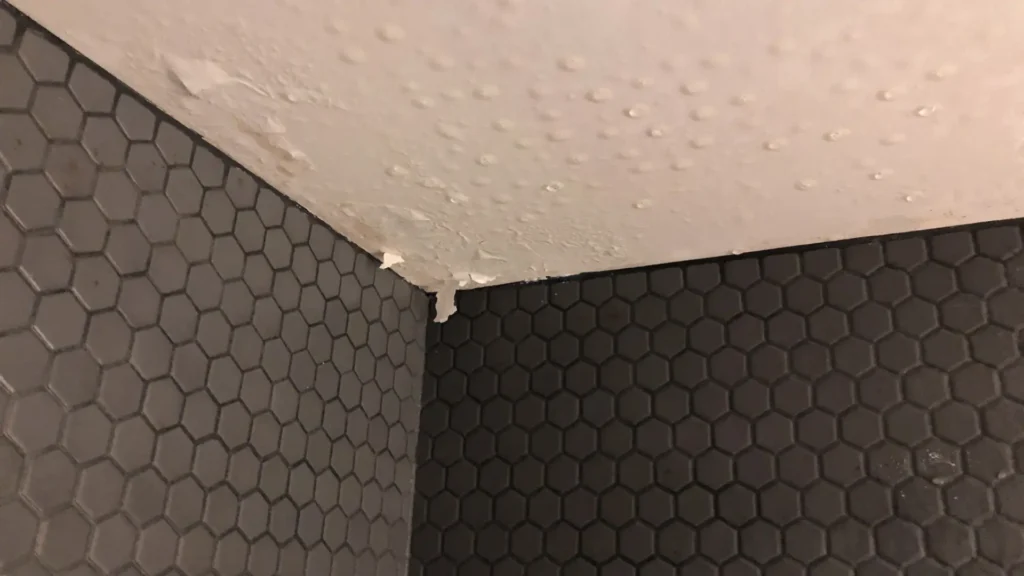
Signs that repairs are needed include water stains on interior ceilings. Visible mold growth, water pooling after rain, or rust stains on exterior walls also indicate problems. Don't wait for obvious damage to appear. Schedule regular inspections to catch problems early.
A proactive maintenance approach protects your investment. It prevents emergency repairs. Regular roof maintenance is the most cost-effective way to extend your system's life.
Schedule roof inspections at least twice yearly. Inspect once in spring and once in fall. After severe weather events like heavy rain or hail, inspect your roof for new damage. Professional inspectors have the equipment and expertise to identify problems you might miss.
Debris clearing should happen regularly. This is especially important after storms or during fall when leaves accumulate. Clear leaves and dirt from gutters, downspouts, and drain strainers. This simple task prevents most common drainage problems. Consider professional gutter cleaning services for hard-to-reach areas.
Seasonal preparation protects your system year-round. Before winter, ensure all drains are clear. Downspouts should direct water away from your foundation. In summer, check that your system handles heavy rainfall without backing up.
Professional maintenance provides benefits that DIY efforts can't match. Roofing professionals have specialized equipment for thorough cleaning and inspection. They identify developing problems before they become emergencies. They also document your maintenance history. This supports insurance claims if damage occurs.
Signs that repairs are needed include slow drainage, water pooling, visible rust or corrosion, or unusual sounds from your drainage system. Address these issues promptly to prevent escalation.
Preventive care saves money by extending your system's lifespan. It avoids costly emergency repairs. While the roof membrane may last 15–20 years, your internal drainage infrastructure is built for the long haul. Properly maintained cast iron systems often last 30+ years, while PVC and stainless steel can exceed 50 years, provided they are cleared of debris regularly to prevent internal corrosion. Copper systems last 70-80 years. Overall lifespan depends heavily on material type and application conditions.
Inspect your drainage system at least twice yearly. Inspect in spring and fall. After severe weather events, inspect your roof for new damage or debris. Professional inspections catch problems that visual inspection might miss. Schedule your free roof inspection with our team today.
Standing water results from improper roof grading, clogged drains, or inadequate drainage system design. Roof settling over time can reduce the slope. This prevents water from flowing toward drains. Debris accumulation blocks water flow. A professional inspection identifies the factor causing your specific problem.
Basic debris clearing and gutter cleaning are tasks you can handle. However, professional inspection and maintenance are strongly recommended. Roofing professionals have specialized equipment and expertise to identify problems you might miss. They can also safely access areas of your roof that present fall hazards.
With proper maintenance, cast-iron commercial drainage systems last 20-30 years. PVC and stainless steel systems last 40-60 years. Copper systems last 70-80 years. Material type affects lifespan significantly. Regular maintenance extends system life. Neglected systems may fail much sooner. This requires expensive replacement.
Interior drains collect water from your roof surface. They direct it into the drainage system. Edge drains (scuppers) sit at your building's perimeter. They provide backup drainage if interior drains become overwhelmed. Both types work together to protect your building from water damage.
Yes, insulation around drainage components is important. It prevents condensation buildup that can damage surrounding materials. Insulation also protects pipes from freezing in winter. This prevents ice blockages. Current building codes require proper insulation on drainage systems.
Repair costs vary based on the extent of damage and system type. Simple debris clearing might cost under $500. Major component replacement could exceed $5,000. Costs vary based on your building's size and system complexity. Integrity Roofing, LLC provides free inspections and affordable solutions tailored to your specific situation.
Your commercial roof's drainage system is critical infrastructure. It deserves professional attention. Don't wait for water damage to force expensive emergency repairs. Schedule a free inspection with Integrity Roofing, LLC to assess your system's condition. We identify any issues before they become problems.
Our team serves Arden, NC, and the surrounding areas. We bring the expertise and dedication your building deserves. We offer financing options to make necessary repairs affordable. We help navigate insurance claims following storm damage. Call (828) 448-0855 today to book your free roof inspection. Get peace of mind knowing your building is protected.
 July 20, 2026
Types of Roof Vents: Which Intake and Exhaust Pairings Protect the Attic Best in Hickory, North Carolina
July 20, 2026
Types of Roof Vents: Which Intake and Exhaust Pairings Protect the Attic Best in Hickory, North Carolina
Understanding the different types of roof vents is a fundamental requirement for homeowners who want to maintain a healthy, dry home environment. Attic ventilation is…
Read More