Menu
Commercial roof insulation helps your building stay cooler in summer and warmer in winter. It also helps your HVAC system run more efficiently. Good insulation can reduce wear on your roof system over time. If you own or manage a building in Hickory, NC, the right insulation plan helps you control moisture and condensation. This matters in our mixed-humid climate.
Commercial roofing decisions affect your operating costs, tenant comfort, and maintenance budget. You need clear options and a plan that fits your roof type.
Integrity Roofing, LLC serves commercial property owners and managers in Hickory and across Western North Carolina. Our team starts with an inspection. This helps you understand what you have today and what changes will help.
You can expect a straightforward process:
We inspect the roof surface and details for common issues like cracks, bubbles, and blisters on low-slope systems.
We explain insulation options in plain language, including where insulation goes in the roof assembly.
We help you plan repairs or a re-roof with insulation upgrades when they make sense.
To schedule an inspection, call (828) 448-0855.
Commercial roof insulation sits in or above the roof deck. It slows heat flow through the roof. Less heat flow usually means steadier indoor temperatures. Your heating and cooling equipment works less hard.
You will hear people talk about "R-value." R-value measures thermal resistance. A higher R-value means the insulation resists heat flow better.
Insulation also plays a role in roof performance beyond energy use. It can:
Support the roof membrane when you choose a board with the right compressive strength
Help reduce condensation when the roof assembly includes the right air and vapor control layers
Improve comfort in offices, warehouses, and retail spaces by reducing hot and cold spots
Most commercial roofs use rigid boards above the deck, spray foam, or a combination of products. The best choice depends on your roof system, drainage plan, moisture risk, and budget.
Here are common commercial insulation options:
Polyiso (polyisocyanurate): A common choice for low-slope roofs because it offers strong thermal performance per inch. Contractors often pair it with cover boards under TPO, EPDM, PVC, modified bitumen, or BUR systems.
XPS (extruded polystyrene): A rigid foam that handles moisture better than some options. Roof designers often use it in certain assemblies where water exposure may happen.
EPS (expanded polystyrene): A lightweight, rigid foam option. Teams often use it where cost and ease of cutting matter. You still need to plan for moisture control.
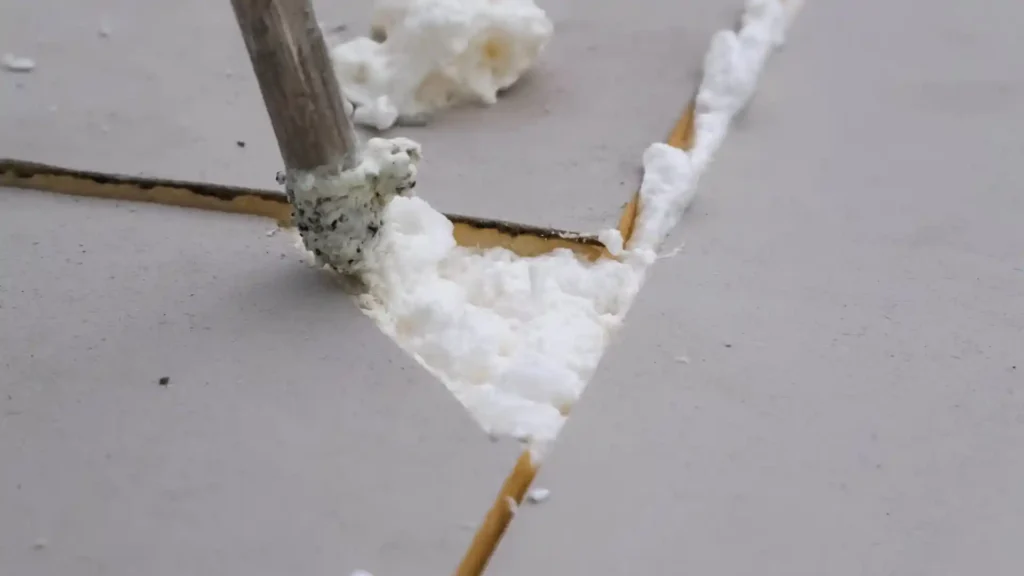
Spray polyurethane foam (SPF): A spray-applied insulation that creates a seamless layer. It can work well in some retrofit situations. It needs the right coating and maintenance plan.
Mineral wool: A fiber-based board with good fire resistance and sound control. It can perform well in some commercial assemblies when the design calls for it.
Cellular glass: A rigid, moisture-resistant option used on projects that need strong water resistance and durability.
If you do not know what type you have, an inspection can usually confirm it.
Building codes and energy standards often set minimum insulation levels for commercial roofs. The exact requirement depends on several factors. Your building type and local code version matter.
In the Hickory area, many energy-code maps place the region in a mixed-humid climate zone (often shown as Zone 4A on IECC maps). That climate brings hot summers, cool winters, and plenty of humidity; because of that, insulation and moisture control both matter.
When you choose an insulation level, consider:
A commercial roofing contractor can help you plan a roof assembly that meets code and fits your building's needs.
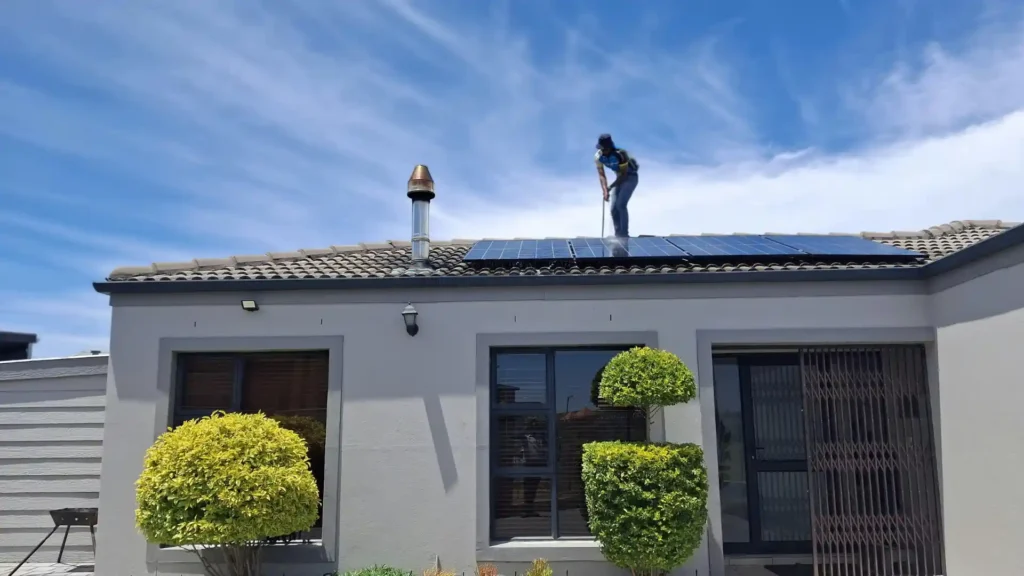
Insulation works best as part of a complete roof system. A strong plan looks at layers, seams, and drainage.
A commercial roof insulation system acts as a protective sandwich above your building. Depending on your specific needs, it may include:
If you struggle with ponding water, ask about drainage and tapered insulation options during planning.
Even the right material can underperform if the crew installs it incorrectly. Good installation helps you avoid heat loss at seams, moisture problems, and premature roof wear.
Contractors often follow these best practices:
After installation, regular inspections help you catch small issues before they turn into leaks.
Local code sets the minimum, and requirements can change by jurisdiction and code version. Ask your local building department what they enforce for commercial roofs. Confirm your roof assembly design with a qualified professional. A contractor can also help you plan insulation thickness based on your roof type and goals.
Insulation can last for many years when it stays dry, and the roof system protects it. Leaks and trapped moisture shorten the lifespan of insulation. Regular inspections and prompt repairs protect both the membrane and the insulation underneath.
Yes. Many re-roof projects include insulation upgrades. Contractors may add above-deck insulation during a replacement. They may use tapered insulation to improve drainage. The right approach depends on deck condition, roof height limits, and the current roof assembly.
Both products come in rigid boards, but they can behave differently in real-world conditions. Polyiso often offers strong thermal performance per inch. It is widely used on low-slope roof systems. XPS tends to handle moisture exposure well. Designers may choose it for certain assemblies. Your roof type and moisture risk will help guide the best option.
Many commercial roof systems include a cover board. It adds protection from impacts and foot traffic. It can improve the overall durability of the assembly. Your roof type, warranty requirements, and building use will help determine if a cover board makes sense.
If you want to lower energy waste, improve comfort, or plan a re-roof, start with a roof inspection. Integrity Roofing, LLC can review your current roof system. We identify insulation and moisture issues. We explain options that fit your building.
Call (828) 448-0855 to schedule your free commercial roof inspection in Hickory, NC, or nearby areas in Western North Carolina.
 March 13, 2026
Signs Your Roof Has Wind Damage
March 13, 2026
Signs Your Roof Has Wind Damage
Windstorms can leave your roof vulnerable, but the damage isn't always obvious at first glance. Some homeowners notice missing shingles right away, while others discover…
Read More