Menu

Roof flashing is one of the most important components of any roofing system, and one of the most commonly misunderstood. It consists of thin strips of metal installed at joints, transitions, and penetrations to direct water away from vulnerable areas and into the drainage system. When flashing is properly installed and maintained, it keeps water moving off the roof the way it should. When it fails, leaks often follow quickly. Integrity Roofing's roof repair team in Hickory, NC regularly traces active leaks back to flashing failures that were either installed incorrectly or left uninspected for too long.
Understanding what roof flashing is, where it lives on your roof, and why it fails gives homeowners the ability to catch problems early. Many leaks that cause significant interior damage start as small flashing gaps that went unnoticed during routine inspections. The good news is that flashing issues, caught early, are among the more straightforward repairs a qualified contractor can make.
Most residential roof flashing is made from galvanized steel, aluminum, or lead-coated copper. Each material has trade-offs in terms of cost, longevity, and compatibility with surrounding materials. Galvanized steel is the most common choice for standard residential work due to its affordability and durability. Aluminum is lightweight and corrosion-resistant but can react with certain types of masonry. Copper is the longest-lasting option and is often used on high-end or historic homes, though it comes at a significantly higher cost.
The material choice matters because flashing must bond well with adjacent surfaces and hold up under the same weather conditions as the rest of the roof. In Western North Carolina, where temperature swings and humidity are significant, flashing that is not properly matched to the surrounding materials can work loose over time as those materials expand and contract at different rates.
Flashing appears anywhere water could find a path inside the building envelope. The most common locations include:
Chimney flashing is one of the leading sources of residential roof leaks, and the reason comes down to the fact that masonry and roofing materials move differently. A brick chimney expands in heat and contracts in cold at a different rate than the surrounding shingles and decking. Over time, this differential movement cracks the caulk or mortar holding the flashing in place, creating gaps that funnel water directly into the wall cavity.
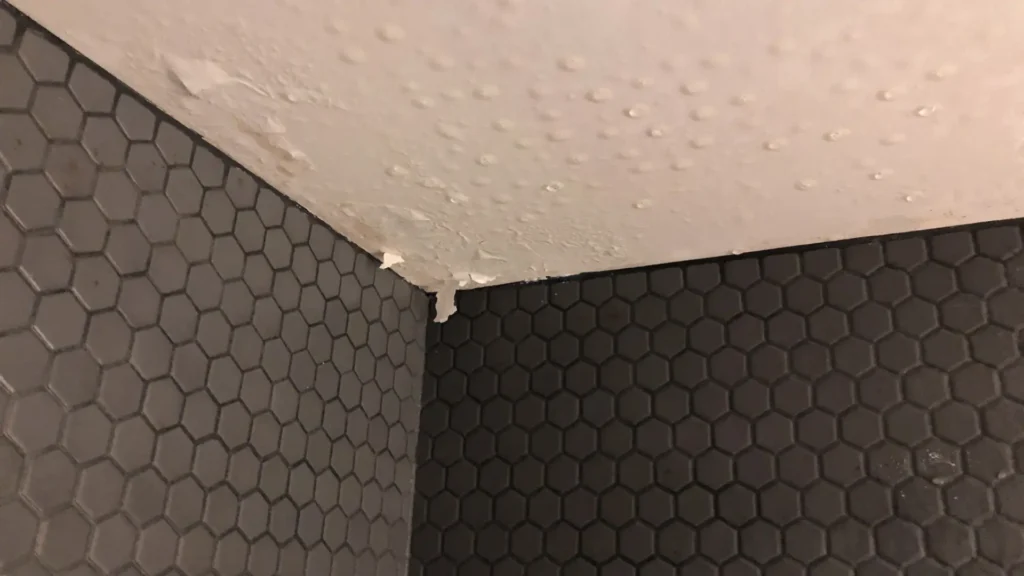
Proper chimney flashing uses two layers: base flashing that is embedded in the mortar joints of the chimney, and counter-flashing that overlaps it and is also set into the masonry. When only one layer is used, or when the counter-flashing is simply caulked rather than properly embedded, the system has a built-in failure point. If you notice staining on interior ceilings near the chimney or see daylight between the flashing and the masonry, those are signs worth investigating. A thorough roofing inspection checklist will always include a close look at chimney flashing conditions.
Valleys are high-traffic zones for water. Every drop of rain that lands on either of the two slopes feeding into a valley passes through that channel on its way off the roof. That volume of water means any gap or failure in the valley flashing can move a large amount of water into the structure very quickly.
There are two main approaches to valley flashing: open valleys, where the metal flashing is exposed and visible, and closed valleys, where shingles are woven or cut over the valley line. Open valleys tend to be more durable and easier to inspect and repair. Closed valleys can trap debris and moisture if not installed correctly. Either way, improper lapping, inadequate width, or corrosion are the most common failure modes. Understanding the most common commercial roofing types also reveals how valley and transition waterproofing principles apply across both residential and commercial systems.
While severe ice dams are more of a northern concern, Hickory and the surrounding foothills do experience winter freezing. Ice buildup in valleys can back water up under shingles, putting pressure on flashing seams that would otherwise handle normal rainfall just fine. Homes in the area benefit from ice and water shield installed in valleys as a secondary moisture barrier beneath the flashing. If your roof does not have this layer, it is worth asking about during your next inspection.
Where a roof plane runs up against a vertical wall, whether a dormer, a second-story addition, or an adjoining structure, step flashing is the standard solution. Step flashing consists of individual L-shaped pieces of metal, each integrated with a course of shingles, so that water is always directed outward and downward rather than into the wall cavity.
Headwall flashing, where the top of a roof slope meets a vertical wall directly, is slightly different and requires a continuous piece of flashing tucked behind the siding above and lapped over the roofing below. Both step and headwall flashing fail most often when the flashing is nailed through rather than left to float, which prevents it from accommodating movement and causes it to crack or pull away over time.
You do not need to get on the roof to notice early warning signs of flashing failure. From the ground and from inside the attic, watch for:
If you notice any of these signs, scheduling a professional inspection sooner rather than later limits the scope of the repair. Flashing problems that get addressed early rarely require more than targeted metal work. Left alone, they can lead to roof decking damage that significantly increases the cost of the eventual fix.
Flashing should be inspected at least once a year and after any significant storm. Because it sits at the intersection of different materials and experiences more stress than flat roof surfaces, it tends to be the first thing to show wear. A proactive roof maintenance program that includes flashing inspection and resealing can add years to the overall life of the system and prevent the kind of interior damage that turns a minor repair into a major renovation.
If you are not sure when your flashing was last inspected, or if you have noticed any of the warning signs described above, it is worth getting a professional set of eyes on your roof before the next rain event. Contact Integrity Roofing to schedule an inspection for your Hickory area home. You can also reach our team directly at (828) 448-0855. Catching a flashing problem early is almost always the most cost-effective path forward.
 July 20, 2026
Types of Roof Vents: Which Intake and Exhaust Pairings Protect the Attic Best in Hickory, North Carolina
July 20, 2026
Types of Roof Vents: Which Intake and Exhaust Pairings Protect the Attic Best in Hickory, North Carolina
Understanding the different types of roof vents is a fundamental requirement for homeowners who want to maintain a healthy, dry home environment. Attic ventilation is…
Read More