Menu
Selecting the best roof underlayment for asphalt shingles is a vital step in protecting your home from the elements. While shingles are the visible part of your roof, the underlayment provides the secondary barrier that keeps moisture out. In Hickory, North Carolina, where heavy rains and humidity are common, this hidden layer is often the difference between a dry attic and expensive water damage. Working with a professional residential roofing team ensures that you choose a material suited for our specific climate.
Roof underlayment is a water-resistant or waterproof material installed directly onto your roof deck. It sits underneath your shingles to provide extra protection against wind-driven rain and ice dams. If a shingle is blown off during a storm, the underlayment keeps the wood decking dry until repairs are made. It also prevents "resin bleeding," where chemicals from the wood deck could damage your asphalt shingles over time.
When searching for the best roof underlayment for asphalt shingles, you will typically find three main categories:
For most modern homes, synthetic materials are considered the best roof underlayment for asphalt shingles. Unlike traditional felt, synthetic underlayment does not absorb moisture, so it will not wrinkle or rot. It is also much stronger and less likely to tear during a high-wind event. Additionally, synthetic layers are thinner and lighter, allowing for a flatter and more energy efficient installation.
In Hickory, North Carolina, the best roof underlayment for asphalt shingles strategy often involves a combination of materials. We recommend installing a self-adhering ice and water shield in "valleys," around chimneys, and along the eaves. These are the areas most prone to leaks from heavy rain or snow accumulation. This specialized layer creates a watertight seal around nails to prevent moisture from seeping into the roof deck.
The best roof underlayment for asphalt shingles must balance water resistance with permeability. Permeability refers to how well the material allows water vapor to escape from the attic. If an underlayment is too restrictive, trapped heat and moisture can cause granular loss or rot the roof deck. Professional contractors evaluate your attic ventilation to ensure the underlayment choice supports a healthy, long-lasting system.
Using high-quality underlayment is often a requirement for premium roofing warranties. Manufacturers like CertainTeed often require specific underlayment brands to be used as part of a complete roofing system. If you use a cheap or incompatible underlayment, you may void your warranty coverage for the entire roof. Investing in the best roof underlayment for asphalt shingles ensures your investment is fully protected by the manufacturer.
The condition of your roof deck determines which underlayment will perform best. If your roof is sagging, a heavy felt underlayment might hide structural issues that need repair. A detailed inspection of the wood decking is required before the underlayment is applied. This ensures the surface is flat, dry, and free of pest damage before the new barrier is installed.
A high-quality underlayment significantly increases the lifespan of your roof. While it adds to the upfront cost, it prevents expensive emergency repairs caused by hidden leaks. Synthetic underlayment typically lasts as long as your shingles, ensuring you don't have a barrier failure mid-way through the roof's life. This durability is a key part of maintaining proper roof maintenance and home value.
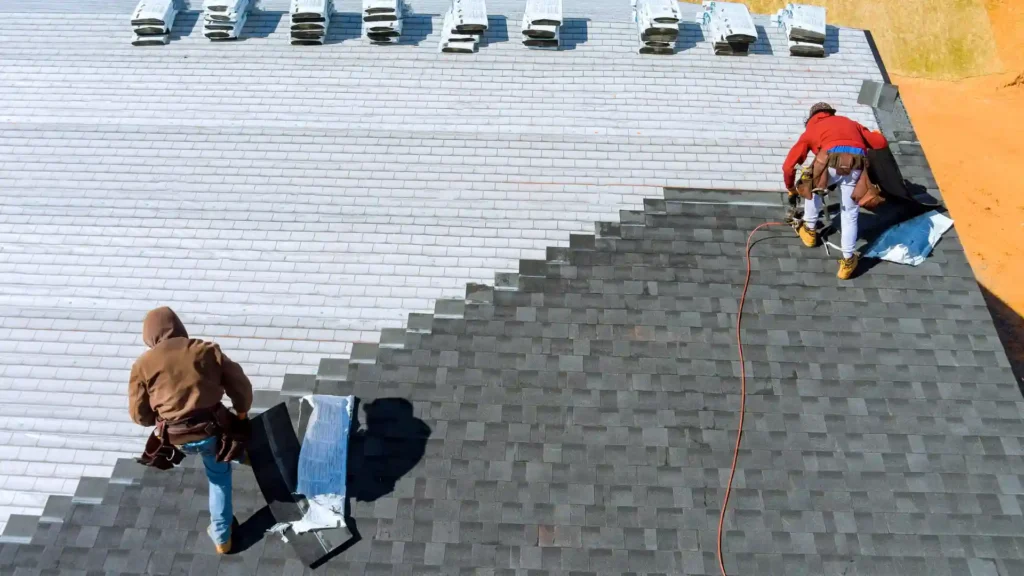
Installing the best roof underlayment for asphalt shingles correctly requires precision and experience. Each layer must overlap properly to shed water away from the deck. Mistakes during this phase can trap water against the wood, leading to rot that is impossible to see until it is too late. A professional team will ensure all fasteners are placed according to code to prevent the underlayment from lifting during a wind event.
Before the shingles are laid, a final check of the underlayment is vital. This includes verifying that all seams are taped and that the material is tight against the deck. This attention to detail is what separates a standard roof from a high-performance system. Following a thorough roofing checklist during installation ensures that no small gaps are left unprotected.
Modern roofing has changed significantly over the last several decades. Traditional felt was once the only option available to homeowners and builders. While it worked for many years, it was prone to tearing and becoming brittle over time. Today, synthetic options provide a much more reliable foundation for asphalt shingles. These materials are engineered to withstand the unique pressures of the North Carolina climate.
In the summer months, your roof can reach extremely high temperatures. High heat can bake traditional organic underlayment, making it crack and fail prematurely. Synthetic underlayments are designed to handle these temperature swings without losing their integrity. This thermal stability is a major reason why they are part of the best roof underlayment for asphalt shingles strategy. Protecting the deck from heat damage is just as important as protecting it from rain.
Safety is always a priority on any roofing project. Synthetic underlayment often have a non-slip surface that provides better traction for workers. This allows the crew to move more securely across the roof, even on steep pitches. A safer work environment often leads to a more precise installation and a better final product. When you choose quality materials, you are also supporting a safer installation process.
It is important to understand the difference between water-resistant and waterproof materials. Most standard underlayment are water-resistant, meaning they shed water but can still be penetrated under extreme pressure. In contrast, ice and water shields are truly waterproof and create a permanent bond with the deck. Using the best roof underlayment for asphalt shingles involves strategically placing both types of materials. This creates a multi-layered defense system that addresses different types of weather risks.
Don't settle for the bare minimum when protecting your home. Integrity Roofing provide thorough mechanical and structural evaluations to help you choose the best materials for your project. Our staff offers detailed inspections to ensure every layer of your roof is ready for North Carolina weather.
Contact Integrity Roofing today to discuss your shingle replacement. We are here to help you protect your home with professional care and expertise.
 June 25, 2026
Roof to Wall Flashing: Why Sidewall Transitions Are a Hidden Source of Repeat Leaks
June 25, 2026
Roof to Wall Flashing: Why Sidewall Transitions Are a Hidden Source of Repeat Leaks
Of all the places a roof can leak, the transition where a roof plane meets a vertical wall is one of the most frequently overlooked…
Read More