Menu
When you invest in a new commercial roof, you're protecting one of your most valuable assets. A commercial roof warranty provides protection by covering your roofing system. Whether you're a property manager overseeing multiple buildings or a business owner responsible for a single facility, understanding your commercial roof warranty is essential to protecting your investment and avoiding unexpected repair costs.
At Integrity Roofing, we’ve been serving the Piedmont and Western North Carolina regions since 2017. Our leadership team brings over 25 years of combined roofing experience, and we are proud to have earned over 100 five-star reviews from satisfied local customers.
Our team provides free, comprehensive roof inspections. We examine every detail carefully—from flashing and seams to penetrations and transitions. As a GAF Certified Contractor and an Owens Corning Preferred Contractor, we provide access to the industry’s highest-tier warranties. These certifications ensure your commercial roof is installed by experts recognized by the manufacturers themselves. We provide property owners with professional damage assessments and photographic documentation needed to support the insurance claims process. While we are not public adjusters, we work to ensure your insurance carrier has a transparent, line-itemed report of all storm-related damage. We offer flexible in-house financing options with no home equity required and no prepayment penalties, allowing you to protect your business assets without straining your capital. We serve seven counties, including Catawba, Iredell, Lincoln, Buncombe, Henderson, Transylvania, and Cabarrus. Over 500 satisfied customers rely on us for their roofing needs.
A commercial roof warranty is a guarantee from either the roofing manufacturer or the contractor. It covers your roof system for a specified period. Think of it as insurance for your roofing investment. The warranty covers defects in materials and workmanship. This protects you from paying out of pocket if something goes wrong during the warranty period.
Commercial roof warranties typically last between 5 and 30 years. The duration depends on the type of warranty and the roofing system you choose. They serve an important purpose. They assure you that your roof has been installed in accordance with the manufacturer's specifications. They confirm your roof meets industry standards. Without a warranty, you'd have no recourse if your roof failed prematurely. This could happen due to manufacturing defects or poor installation. Learn more about roof maintenance requirements to keep your warranty valid.
Understanding the different types of warranties available helps you make informed decisions. You can then choose the right roofing investment. There are two main categories of commercial roof warranties you should know about.
Manufacturer warranties cover defects in the roofing materials themselves. These warranties typically last 10 to 30 years. The duration depends on the specific product and system you select. The manufacturer guarantees that the materials won't fail due to manufacturing defects during this period. However, a manufacturer's warranty only applies if your roof is installed by a certified contractor. The contractor must follow the manufacturer's installation specifications exactly. If the installation doesn't meet their standards, the warranty may be voided. Keep in mind that manufacturer warranties cover material costs. They typically don't include labor costs for repairs or replacement.
Contractor or workmanship warranties cover the quality of the installation itself. These warranties typically last 1 to 5 years. They protect you against installation errors, poor workmanship, or failures caused by how the roof was installed. They don't cover defects in the materials. A contractor's warranty complements the manufacturer's warranty. Together, they give you comprehensive protection. When you work with Integrity Roofing, LLC, our workmanship warranty ensures that every nail, seam, and flashing is installed correctly. This keeps your building protected from the elements. Our team of experienced professionals stands behind every installation.
Your commercial roof warranty protects you against several types of problems. Most warranties cover material defects and manufacturing flaws. These flaws cause the roof to fail prematurely. They also cover installation workmanship. If your roof leaks because it wasn't installed properly, the warranty should cover the repair. Warranties typically cover seams, flashing, fasteners, and membrane integrity. These components work together to keep water out of your building.
Common areas where warranty coverage applies include valleys where water naturally flows. Roof penetrations like HVAC units and plumbing vents are also covered. Transitions between different roof sections are included. Wall flashings where the roof meets vertical surfaces are covered. If any of these areas fail during your warranty period, your warranty should cover the cost of repairs. This applies when failure is due to material defects or poor workmanship. Understanding what's covered helps you know when to file a claim versus when to address issues through roof maintenance.
While warranties provide valuable protection, they don't cover everything. Understanding what's excluded helps you plan for maintenance. It also helps you prepare for potential costs. Most commercial roof warranties exclude routine maintenance and normal wear and tear. Your warranty won't cover regular upkeep like cleaning gutters or removing debris.
Weather damage and acts of nature are typically excluded from warranty coverage. If a severe storm damages your roof, that's usually a matter for your property insurance. It's not a warranty issue. Unauthorized modifications or repairs made by unqualified contractors can void your warranty. Lack of proper maintenance is another common exclusion. If you neglect to maintain your roof as required, the manufacturer may deny warranty claims. Pre-existing conditions and damage from foot traffic or improper access are also typically excluded. Understanding these limitations helps you maintain your roof properly. You'll know when to contact your insurance company versus your roofing contractor. For help with roof damage insurance claims, Integrity Roofing, LLC is here to assist.
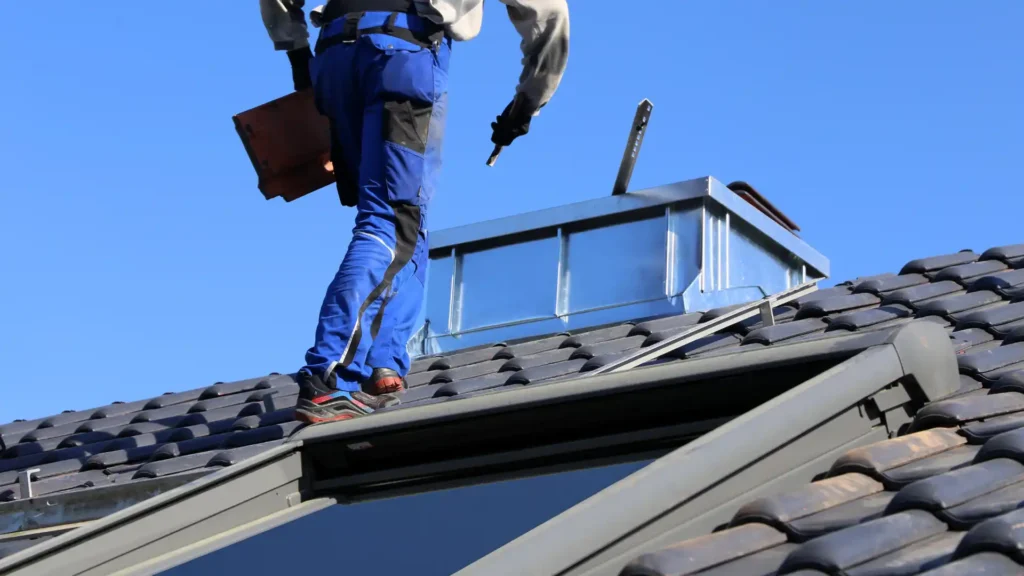
Keeping your warranty valid requires ongoing attention to your roof. Schedule regular inspections at least once a year. Schedule more frequently if your area experiences severe weather. Document every inspection, maintenance visit, and repair with photos and written records. This documentation proves you've maintained your roof properly. It strengthens any warranty claims you might need to file.
Always use certified contractors for any roof work. Using uncertified contractors or attempting DIY repairs can void your warranty. Address issues promptly when you discover them. Small problems become expensive if left unattended. Keep your warranty documentation in a safe, accessible place. When you work with Integrity Roofing, LLC, we help you maintain detailed records of all work performed. This makes it easier to file claims if needed. It also ensures your warranty remains valid throughout its term. Consider scheduling a commercial roof inspection to assess your current roof's condition.
Commercial roof warranties vary widely in duration. Manufacturer warranties typically last 10 to 30 years. Contractor workmanship warranties usually last 1 to 5 years. The specific duration depends on the roofing system you choose. It also depends on the manufacturer and the contractor. Premium systems and certified contractors often offer longer warranties. When you work with Integrity Roofing, LLC, we'll explain the warranty terms for your specific system. You'll know exactly what protection you have.
As a certified installer, we can offer No-Dollar-Limit (NDL) warranties on select commercial systems. This means the manufacturer guarantees the full cost of repairs or replacement—including labor—without a financial cap for the life of the warranty. This applies during the warranty period. Material-only warranties, by contrast, only cover the cost of materials. They don't cover labor. An NDL warranty provides more comprehensive protection. It covers both materials and labor. This makes it more valuable if you need warranty work performed. NDL warranties typically cost more upfront. However, they offer better long-term protection for your investment.
Most commercial roof warranties exclude weather damage and acts of nature. If a storm damages your roof, your property insurance policy is typically responsible. It covers repairs, not your roof warranty. However, if a storm exposes a pre-existing manufacturing defect, your warranty might apply. The same is true for installation problems. This is why it's important to document your roof's condition. Document it before and after severe weather. Contact your insurance company promptly after storm damage.
Many manufacturer warranties are transferable to new building owners. However, this depends on the specific warranty terms. Some warranties transfer automatically. Others require notification to the manufacturer. Contractor workmanship warranties are typically not transferable. They're tied to the original contractor's work. If you're selling your building, contact your roofing contractor and the manufacturer. Understand what warranty benefits transfer to the new owner. This information can be valuable in real estate transactions.
If you discover a potential warranty issue, document it with photos and written descriptions. Contact your roofing contractor immediately. In this case, contact Integrity Roofing, LLC. Provide all documentation. We'll inspect the problem and determine whether it's covered under warranty. If it is, we'll handle the claim process with the manufacturer. Keep records of all communications and work performed. Acting quickly is important. Delaying repairs can sometimes result in additional damage. That damage might not be covered.
Regular maintenance is essential to keeping your warranty valid. Most manufacturers require that you maintain your roof according to their specifications. This typically includes regular inspections. It includes prompt repairs of any damage. It includes keeping the roof clear of debris. Neglecting maintenance can give the manufacturer grounds to deny warranty claims. By scheduling regular inspections with Integrity Roofing, LLC and addressing issues promptly, you protect both your roof and your warranty coverage.
Yes, many manufacturers offer extended warranty options. These go beyond the standard coverage period. These extensions typically cost additional money. However, they provide peace of mind for longer-term protection. Some contractors also offer extended workmanship warranties. When you work with Integrity Roofing, LLC, we can discuss warranty extension options. We'll help you find options that fit your budget and your building's needs. This helps you maximize your roofing investment's protection.
Your commercial roof is too important to leave to chance. Understanding your warranty and maintaining your roof properly ensures that your investment stays protected. It stays protected for years to come. At Integrity Roofing, LLC, we're here to help you navigate every aspect of commercial roofing. We help with selecting the right system with strong warranty coverage. We help with maintaining your roof and handling warranty claims when needed.
Contact Integrity Roofing, LLC today for a free, comprehensive roof inspection. Our team will evaluate your roof's condition. We'll explain your warranty options. We'll help you make informed decisions about protecting your commercial property.
Call (828) 448-0855 or visit us online to schedule your inspection. We serve businesses throughout Hickory, North Carolina, and the surrounding Piedmont and Western North Carolina regions. At Integrity Roofing, LLC, it's in the name—we bring integrity to every roof we build.
 July 20, 2026
Types of Roof Vents: Which Intake and Exhaust Pairings Protect the Attic Best in Hickory, North Carolina
July 20, 2026
Types of Roof Vents: Which Intake and Exhaust Pairings Protect the Attic Best in Hickory, North Carolina
Understanding the different types of roof vents is a fundamental requirement for homeowners who want to maintain a healthy, dry home environment. Attic ventilation is…
Read More