Menu
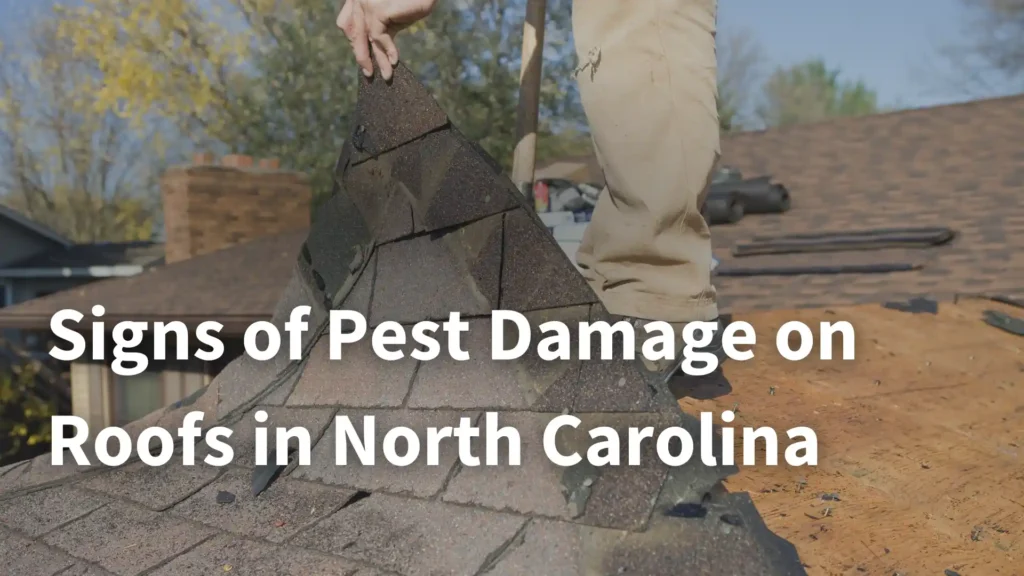
Pests can cause serious damage to your roof, and North Carolina's warm, humid climate makes this a year-round concern for homeowners. From termites eating through wooden structures to rodents chewing entry holes, pest damage on roofs often goes unnoticed until significant structural problems develop. Learning to identify the early signs of pest damage on your roof can help you catch problems before they become expensive repairs. This comprehensive guide walks you through the most common pests that damage roofs in North Carolina, the visible and hidden signs you should watch for, and the steps you can take to protect your home. Integrity Roofing helps homeowners throughout the Piedmont and Western North Carolina regions identify and address pest damage before it becomes costly.
Your roof provides the perfect environment for many pests. The warm, humid climate of North Carolina creates ideal conditions for pest activity year-round. Pests seek shelter, nesting sites, and easy access to the wood that makes up your roof's structure. Termites, carpenter ants, rodents, and birds all view your roof as an attractive place to live and feed.
The wood in your roof decking, trusses, and fascia contains cellulose—a food source for wood-destroying insects. Once pests establish themselves in your roof, they can cause damage that spreads quickly if left untreated. The longer pests remain active in your roof, the more structural damage occurs, which can eventually compromise your home's integrity and lead to costly roof repair. Regular roof maintenance and inspections help prevent pest infestations from developing into major structural issues that require expensive roof replacement.
Termites are among the most destructive pests that target roofs in North Carolina. These insects feed on the cellulose in wood, creating hollow galleries inside roof decking and trusses. You may notice mud tubes running along the underside of your roof or attic beams—these tubes protect termites as they travel between their colony and food sources. According to NC State University's Entomology Extension, termite identification is the critical first step in addressing structural pest damage.
Carpenter ants also damage roof structures by tunneling through wood to create nesting galleries. Unlike termites, carpenter ants don't eat the wood; they hollow it out to make space for their colonies. You might find sawdust-like frass (insect droppings) near damaged areas, or hear clicking sounds coming from inside the wood when ants are active. If you suspect termite or carpenter ant damage, a professional roof inspection can identify the extent of the problem before it becomes a major structural issue requiring extensive repairs.
Rodents, including roof rats and squirrels, climb into your roof seeking shelter and nesting materials. These pests chew through shingles, fascia, soffit, and even the wood underneath to create entry points and expand their nesting areas. Roof rats are particularly problematic in North Carolina because they thrive in the state's climate and can cause extensive damage in a short time.
Signs of rodent activity include small, round entry holes in your fascia or soffit, visible gnaw marks on wood surfaces, and droppings in your attic. You may also hear scratching or scurrying sounds in your attic, especially at night when rodents are most active. These signs indicate you need immediate roof repair services to prevent further damage and protect your home's structural integrity from ongoing pest activity. The North Carolina Department of Agriculture & Consumer Services provides guidelines on structural pest control standards that licensed professionals follow.
Birds peck at asphalt shingles, looking for insects or creating nesting sites. This pecking action removes protective granules from shingles and can expose the underlying material to weather damage. Some birds, like woodpeckers, create larger holes as they search for insects in your roof structure, which can lead to water intrusion and additional damage that compounds over time.
Nesting birds also block roof vents with sticks and debris, which prevents proper attic ventilation and can lead to moisture buildup and mold growth. Blocked vents also create warm spots that attract more pests. Addressing bird damage promptly through professional roof repair prevents secondary damage from moisture and mold that could compromise your entire roof system and require costly restoration. The U.S. Environmental Protection Agency provides guidance on mold prevention and remediation related to moisture intrusion from pest damage.
You don't need to be a roofing expert to spot some signs of pest damage. Walk around your home's exterior and look for these warning signs:
These visible signs tell you that pests have already begun their work. The sooner you address them, the less damage spreads to the structural components of your roof. If you notice any of these warning signs, contact Integrity Roofing for a free roof inspection to assess the damage and determine what repairs are needed to restore your roof's integrity.
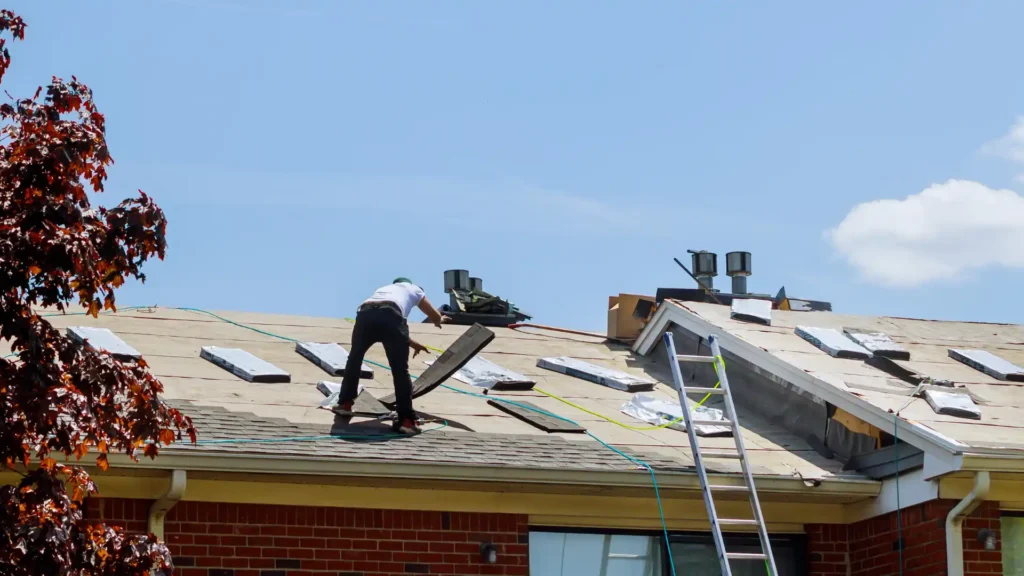
The most dangerous aspect of pest damage is what you cannot see from the ground. While you're inspecting your roof's exterior, significant structural damage may be developing inside your attic and roof structure that threatens your home's safety.
Termites and carpenter ants tunnel through roof decking and sheathing, weakening the structural integrity of your roof. Trusses and rafters—the wooden beams that support your entire roof—can become hollowed out and lose their strength. This hidden damage can cause your roof to sag or fail without any visible signs of a leak. Many homeowners discover this type of damage only after experiencing roof sagging or collapse, which requires emergency roof repair and can be extremely costly.
Rodents contaminate insulation with droppings and urine, reducing its effectiveness and creating health hazards for your family. They also chew through electrical wiring, which creates fire risks and safety concerns that put your home at risk. These hidden dangers make professional roof maintenance essential for protecting your home from pest-related damage and ensuring your family's safety and well-being.
Many homeowners mistakenly believe that if their roof isn't leaking, there's no damage. This is not true. Pest damage to structural components can be extensive, long before water begins to leak into your home. By the time you notice a leak, the damage underneath may be severe and costly to repair. This is why regular roof inspections are critical for catching pest damage early and preventing expensive structural repairs that could threaten your home's value.
Integrity Roofing has served the Piedmont and Western North Carolina regions since 2017, building a reputation for honest, thorough work. Our team understands the unique roofing challenges that North Carolina homeowners face, including pest damage and the damage that follows severe weather events. We're committed to providing comprehensive roofing solutions for residential and commercial properties throughout our service area in Catawba, Iredell, Lincoln, and Cabarrus counties.
We begin every roof repair with a comprehensive inspection. Our methodical approach leaves no corner unchecked—we examine your roof from the ground, in your attic, and from above to identify all signs of damage, including pest activity and weather-related wear. We help homeowners navigate the insurance claims process, including documentation and coordination with insurers, when coverage applies to your roof damage and restoration needs.
We offer free roof inspections so you can understand the full scope of any damage before making repair decisions. Our team provides affordable solutions and financing options to make roof repairs accessible to every homeowner in our service area. Whether you need roof repair or complete roof replacement, Integrity Roofing delivers quality workmanship and transparent pricing that you can trust.
Preventing pest damage starts with making your roof less attractive to pests and addressing problems quickly when they appear. Taking proactive steps now can save you thousands in roof repair costs later and protect your home's long-term value.
If you suspect a pest infestation, contact a pest control professional first. They can treat the active infestation. After pest treatment is complete, have a roofing contractor inspect your roof for damage and make necessary repairs. This sequence ensures that pests are eliminated before you invest in roof repairs, preventing re-infestation during the repair process and protecting your investment.
Schedule regular roof inspections—at least once a year, and after severe weather events. Early detection of pest damage prevents small problems from becoming expensive structural repairs that threaten your home's integrity and safety. Integrity Roofing offers comprehensive roof maintenance services to keep your roof in top condition year-round and protect your investment from pest damage and weather-related wear.
Look for visible signs like holes in fascia or soffit, granule loss on shingles, sagging roof areas, droppings, or debris in gutters. Listen for scratching or scurrying sounds in your attic, especially at night. If you notice any of these signs, schedule a professional roof inspection to assess the damage and determine the best course of action for repairs.
In most cases, standard homeowners' insurance does not cover damage caused by pests like termites, rodents, or birds. Insurance companies consider pest infestations to be a preventable maintenance issue rather than a sudden, accidental event. However, if a pest chews through a wire and causes a sudden house fire, the resulting fire damage is usually covered. Integrity Roofing can help you review your specific damage and provide a clear, honest assessment of whether filing a claim is worth your time.
Treat the pest infestation first. Contact a licensed pest control professional to eliminate the active infestation. Once pests are gone, have a roofing contractor inspect your roof and make repairs. This prevents pests from continuing to damage your roof while repairs are being made and ensures a complete solution to your pest problem.
Schedule a professional roof inspection at least once per year. If you live in an area with frequent pest activity or have had past pest problems, consider twice-yearly inspections. Always inspect your roof after severe storms or if you notice any signs of pest activity. Regular inspections catch problems early before they become expensive.
Repair costs depend on the extent of the damage. Minor damage to fascia or soffit may cost a few hundred dollars, while structural damage to roof decking or trusses can cost thousands. A professional inspection provides an accurate estimate for your specific situation and helps you budget for repairs accordingly.
Trim branches away from your roof, clean gutters regularly, seal entry points, and screen vents. Address pest infestations immediately by calling a pest control professional. Schedule regular inspections to catch problems early. Keep your home's exterior well-maintained to eliminate attractive entry points for pests and protect your roof.
Pest damage to your roof doesn't improve on its own—it gets worse. The earlier you identify and address pest damage, the less expensive your repairs will be. Integrity Roofing offers free roof inspections to homeowners throughout the Hickory area and surrounding communities in the Piedmont and Western North Carolina regions.
Call today to schedule your free inspection. Our team will examine your roof thoroughly, identify any signs of pest damage or other issues, and provide you with an affordable repair solution. We serve Catawba, Iredell, Lincoln, and Cabarrus counties. Don't wait—contact Integrity Roofing now and protect your home from costly pest damage.
 March 13, 2026
Signs Your Roof Has Wind Damage
March 13, 2026
Signs Your Roof Has Wind Damage
Windstorms can leave your roof vulnerable, but the damage isn't always obvious at first glance. Some homeowners notice missing shingles right away, while others discover…
Read More